



Antimalarials
Expert pharmacy guidance on antimalarial medicines, dosing and travel prevention.
Safe use, indications, and administration.
Overview of Antimalarial Medicines
Antimalarial medications include several classes such as artemisinin-based combination therapies, chloroquine, mefloquine, doxycycline, and atovaquone-proguanil. Selection depends on the species, resistance patterns, severity of illness, patient age, pregnancy status and travel history. Proper dosing and full course completion are essential to clear parasites and prevent resistance. Side effects vary by drug and can include gastrointestinal upset, vivid dreams, photosensitivity, and rare neuropsychiatric effects. Pharmacists review interactions with other medicines, advise on administration with food, and reinforce adherence. For severe cases, immediate medical evaluation is required and parenteral therapy may be necessary.
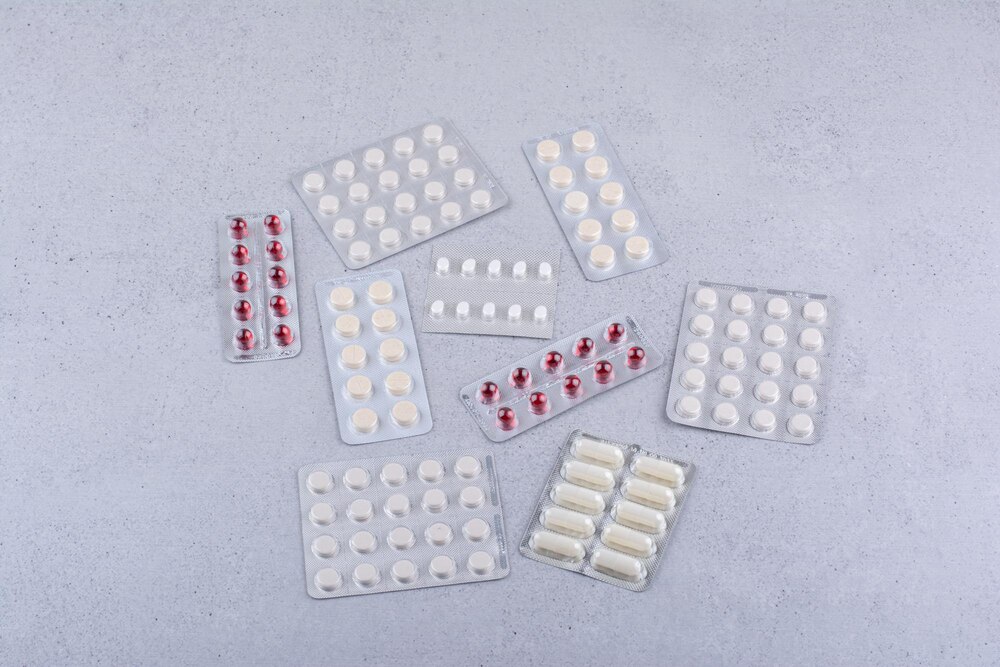
Travel prevention and traveler advice.
Travel Prophylaxis and Prevention
For travellers, prophylaxis selection balances destination-specific resistance, trip duration, and patient factors. Options include doxycycline, atovaquone-proguanil, and mefloquine, each with specific dosing schedules and side-effect profiles. Begin prophylaxis at the recommended time before travel and continue for the advised period after return. Non-pharmacological measures like insect repellent, bed nets, and protective clothing significantly reduce risk. Pharmacists can provide personalized travel plans, ensure appropriate vaccinations are up to date, and offer clear instructions for medication timing. If fever occurs during or after travel, seek prompt medical assessment and inform clinicians about travel history and prophylaxis taken.

Pharmacy role and patient actions.
Pharmacy Support and Patient Responsibilities
Pharmacists play a key role in preventing and treating malaria by verifying appropriate drug choice, explaining dosing schedules, managing interactions, and counselling patients on side effects and adherence. We assist with travel prophylaxis planning, supply emergency standby treatment when appropriate, and liaise with prescribers for dose adjustments. Education reduces treatment failure and helps limit drug resistance. For imported malaria or any fever after travel, urgent medical evaluation is critical. Keep vaccination and medication histories updated and bring documentation of any antimalarial used to healthcare encounters.
Complete full treatment course
Check pregnancy status first
Know local resistance patterns
Start prophylaxis on schedule

Prescription Treatments
Artemisinin combos and other prescription options.
Travel Prophylaxis
Personalized prevention plans for travellers.
Symptom Guidance
When to seek urgent medical care.
Key Points
Key points to remember: complete prescribed antimalarial regimens to ensure parasite clearance and reduce resistance; combine medication with preventive measures such as insect repellent and bed nets; always tell healthcare providers about recent travel and any prophylaxis taken; and seek medical attention promptly for fever or illness after travel. Pharmacists can review medications for interactions, provide dosing reminders, and offer practical tips for managing side effects. If you are pregnant or breastfeeding, special drug choices and precautions apply — consult a clinician before travel or treatment.
Finish the full medication course
Use repellents and nets
Inform clinicians about travel
Watch for fever after return
Quick advice
When to Seek Help
If you develop fever, chills, or flu-like symptoms during or after travel to malaria areas, seek immediate medical evaluation and mention your travel history. Early diagnosis and prompt treatment are critical to reduce complications. Keep your medication blister packs and prescription details with you for clinician review.
FAQ
Frequently asked questions about antimalarials, access, safety and travel prophylaxis.
Can I buy antimalarials over the counter?
Some prophylactic options require a prescription; availability depends on local regulations. Consult the pharmacy for guidance.
How long before travel should I start prophylaxis?
Timing varies by drug: for example, start doxycycline 1–2 days before travel and others like mefloquine weeks prior. Check specific instructions.
Are antimalarials safe in pregnancy?
Safety depends on the drug and pregnancy stage. Always consult a clinician before taking antimalarials if pregnant or planning pregnancy.
What if I miss a dose?
Follow the medication leaflet; generally take the missed dose as soon as remembered unless close to the next dose. Seek pharmacist advice if unsure.
Can antimalarials cause interactions?
Yes. Some antimalarials interact with other medicines. Review all current drugs and supplements with the pharmacist.
Diagnosis and treatment essentials.
Treatment Pathways
Treatment of confirmed malaria depends on severity and species. Uncomplicated cases often respond to oral combination therapies, while severe malaria may require intravenous artesunate and hospital care. Rapid diagnostic testing and microscopy guide therapy. Follow-up testing may be necessary to confirm parasite clearance. Pharmacists help ensure correct dosing by weight or age, check for contraindications, and advise caregivers on administration for children. Medication storage and stability are important, particularly in hot climates; store drugs per label instructions and keep them out of reach of children.

Resistance and best practice.
Resistance and Best Practice
Drug resistance is a global concern affecting which antimalarial is most effective in a region. Health authorities publish recommendations based on surveillance. When resistance is suspected or confirmed, prescribers may choose alternative regimens. Combination therapies reduce the risk of resistance emergence. Patients should avoid incomplete courses and unauthorized monotherapy. Pharmacists contribute by educating patients, confirming correct therapy, and reporting treatment failures to clinicians to help monitor resistance trends. Staying informed about current guidelines and local resistance patterns improves outcomes and supports public health efforts against malaria.