



Support for Self-Care
Friendly, practical guidance to help you stay well at home and manage everyday health issues confidently.
Practical help for everyday health
Everyday Self-Care Guidance
Our self-care support focuses on practical, achievable steps you can use every day to manage symptoms, medication and minor health problems. We teach simple monitoring techniques, show how to take medicines safely, and provide checklists for common conditions so you can track progress. We also explain warning signs that mean you should contact a health professional, and we can recommend local services or follow-up care if needed. The goal is to build confidence and reduce unnecessary worry while keeping you safe and informed.
Monitor vital signs regularly
Use medicines safely and correctly
Keep simple health records
Know when to seek help

Clear, practical medication and symptom advice
Manage Medicines and Symptoms
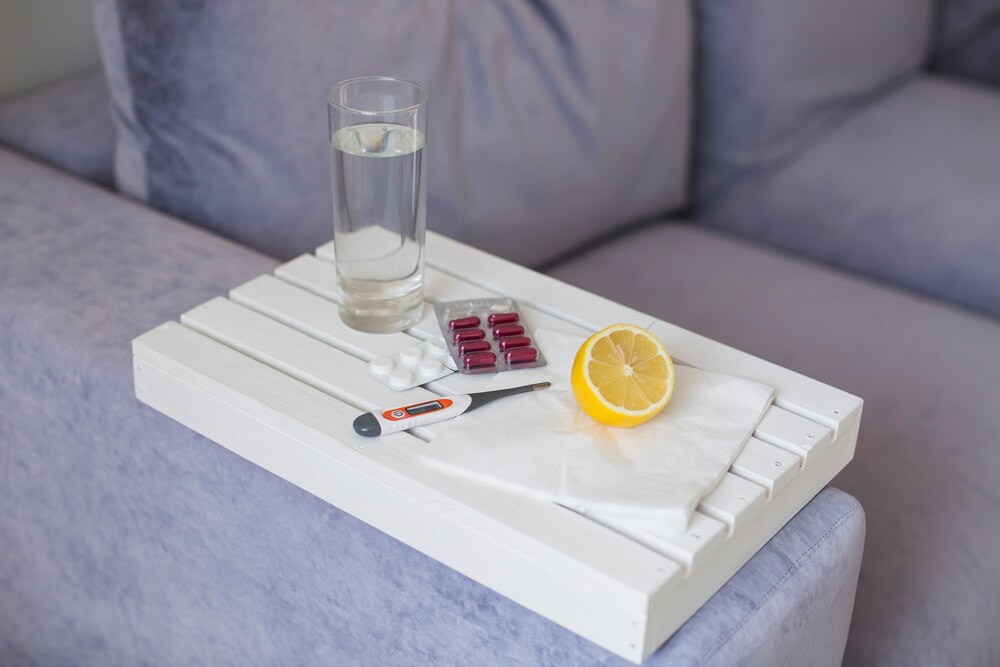
Managing medicines and symptoms at home can feel overwhelming. We offer clear instructions on how and when to take medications, tips to reduce side effects, and simple routines to remember doses. For long-term conditions we suggest monitoring plans and lifestyle adjustments that support wellbeing. We can also help with over-the-counter options and explain which remedies are safe to try. If your condition changes or you notice worrying signs, we advise on next steps and how to get prompt medical attention.
Medication Advice
Guidance on prescriptions and OTC medicines.
Symptom Monitoring
How to track symptoms and spot warning signs.
Action Plans
Simple plans for common minor illnesses.
Key Self-Care Points
Self-care is about empowering you to manage minor issues and support ongoing health in a safe way. We emphasise recognition of warning signs that require urgent attention, practical medicine use, lifestyle measures that reduce symptom burden, and straightforward routines for monitoring progress. Our guidance is non-judgmental and tailored to your needs, so you can feel confident making everyday choices about health and know when to seek professional help. Education and easy tools help prevent complications and reduce unnecessary visits to urgent care.
Recognise red flag symptoms
Safely use over-the-counter remedies
Set up simple monitoring routines
Know who to contact for advice
Tools and resources for home use
Checklists and Action Plans
We provide resources such as checklists, simple action plans, and monitoring templates you can use at home. These tools help you track symptoms, medications and responses to treatment so you can spot trends quickly. We also offer brief counselling on lifestyle measures—like hydration, rest, nutrition and activity—that support recovery and long-term management. If a condition needs more attention, we explain referral options and how to access local services or urgent care.

Balanced, compassionate guidance
Practical, Compassionate Support
Our approach combines practical steps with reassurance. We listen, explain clearly, and provide personalised suggestions so you can manage health concerns safely at home. If further care is needed we point you to the right service quickly.
Frequently Asked Questions
What counts as a minor illness?
Minor illnesses are short-term conditions like colds, mild stomach upsets, minor skin irritations, and simple aches where home care and rest are usually enough. If symptoms worsen or last longer than expected, seek professional advice.
How do I know when to seek medical help?
Seek help if you have severe, worsening, or unusual symptoms, high fever that doesn’t respond, difficulty breathing, chest pain, sudden weakness, or signs of serious infection. If in doubt, contact a health professional for assessment.
Can you help me with medication side effects?
Yes. We can explain common side effects, suggest ways to reduce discomfort, and advise if a medicine should be reviewed by your prescriber. For severe reactions seek immediate medical attention.
Are over-the-counter remedies safe to use?
Many OTC remedies are safe when used as directed, but they can interact with prescription medicines or be unsuitable for some conditions. We can advise on safe choices and correct dosages.
Do you provide ongoing follow-up?
We can arrange brief follow-up or point you to local services for ongoing care when needed. Continuity helps track recovery and adjust plans if symptoms persist.