



Blood Pressure Monitoring
Professional, accurate blood pressure checks with clear guidance and follow-up recommendations to support your cardiovascular health.
Book Now
What to expect during your check:
How the Service Works
We use clinically validated devices and trained staff to ensure consistent, accurate blood pressure readings. Each session includes cuff sizing, correct positioning, and multiple measurements when needed. Results are recorded and explained in plain language, with advice on home monitoring and when to seek further assessment. Our approach reduces measurement error and helps people track trends over time for better management.
Accurate automated readings
Staff guidance and instruction
Record keeping for clinics
Privacy and safe handling
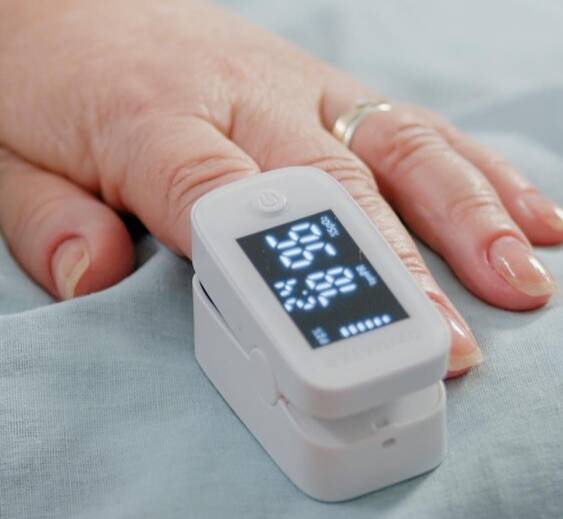
Validated Devices
We use clinically tested digital cuffs for consistent results.
Expert Assistance
Staff guide technique and interpret readings clearly.
Actionable Records
Printed or digital reports you can share with clinicians.
Routine checks for reliable results
Clinic Measurement Process
Routine blood pressure monitoring helps detect hypertension early and tracks treatment response. During an appointment we confirm correct cuff size, ensure the patient is rested and seated properly, and take multiple measurements when necessary to confirm accuracy. We provide easy-to-understand explanations of systolic and diastolic values, offer lifestyle advice when appropriate, and create a record you can take to your GP or specialist. Regular monitoring can identify white coat hypertension and support decisions about medication adjustments, lifestyle changes, or further diagnostic testing.
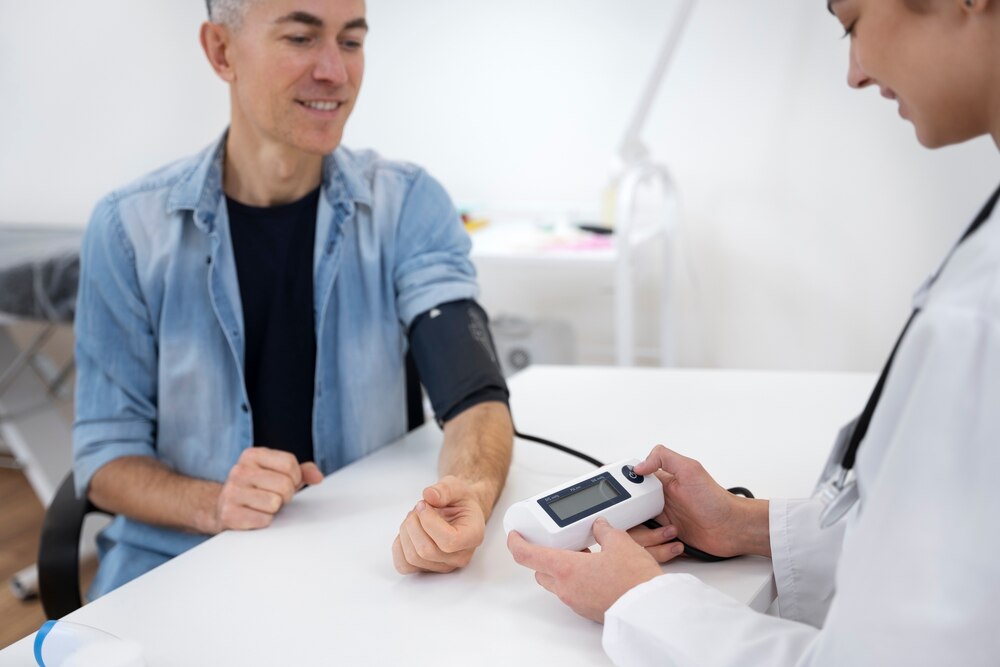
Supporting home monitoring practices
Home Monitoring Guidance
Home monitoring complements clinic checks by providing readings across different times and settings, revealing patterns that single measurements can miss. We teach proper home technique including cuff placement, body position, and timing of measurements. Patients receive guidance on frequency, how to log readings, and when to contact a healthcare professional. Combining clinic and home data helps form a clearer picture of cardiovascular risk and treatment effectiveness without relying solely on occasional clinic measurements.

Key Benefits of Monitoring
Our service focuses on reliable measurement and clear patient education. We reduce variability by standardising procedure: correct cuff fit, arm support, and rest before measurement. Results are explained with context, including what constitutes high, normal, and low readings, and we offer practical tips for lifestyle adjustments. When readings indicate possible hypertension or other concerns, we recommend appropriate next steps, such as GP review, ambulatory monitoring, or specialist referral to ensure comprehensive care.
Accurate validated equipment
Trained, friendly staff
Clear, printable results
Advice and follow-up referrals
Frequently Asked Questions
Common questions answered
How long does a check take?
Allow 10–15 minutes for measurement, explanation, and printing results.
Do I need an appointment?
Appointments are recommended to ensure device availability and staff time.
Can I bring home monitor readings?
Yes. Bring your log so we can compare clinic and home measurements.
Will you share results with my doctor?
We provide printed or digital reports that you can share with your GP.
What if my reading is very high?
We will advise immediate GP contact or emergency care depending on the severity.
Readings you can trust
Why Regular Monitoring Matters
Accurate blood pressure monitoring is a cornerstone of cardiovascular health. Whether confirming a diagnosis or tracking treatment, regular, reliable measurements help guide safe, effective care.
Practical tips for reliable home readings
Practical Home Tips
For many people, regular at-home readings give a more complete picture than isolated clinic visits. We show how to schedule measurements, avoid common mistakes, and record values consistently. Small changes—like measuring at the same time each day and avoiding caffeine beforehand—improve accuracy. We also explain how to interpret trends versus single high readings, helping users and clinicians make informed decisions about lifestyle and medication adjustments.