

HPV Vaccine — Protecting You and Your Community
Protect against HPV-related cancers with recommended vaccination for eligible ages. Ask about schedules and safety.
Easy Scheduling
Schedule appointments for first and follow-up doses
Qualified Staff
Professional pharmacists administer and advise
Insurance & Costs
Check coverage and payment options available
Vaccine schedule and safety explained
When and How the Vaccine Is Given
The HPV vaccine is typically recommended beginning in early adolescence because it provides the best protection when given before exposure to the virus. For those who start the series at age 9–14, two doses are usually sufficient, while older teens and young adults may require three doses. Side effects are generally mild and short-lived, most commonly soreness at the injection site, low-grade fever or fatigue. Our team explains the schedule, answers questions about safety and effectiveness, and can help determine the appropriate dosing timeline for each patient.

Important protection at recommended ages
Why Vaccinate Early
Getting the HPV vaccine reduces the risk of cancers caused by high-risk HPV types and lowers transmission in the community. Early vaccination achieves stronger immune response and long-term protection. We provide guidance for adolescents, catch-up schedules for young adults, and answers for parent and guardian concerns.
Key Points About the HPV Vaccine
The HPV vaccine offers strong prevention against infections from high-risk HPV strains that are linked to cervical, anal, throat and other cancers. Widely studied, the vaccine shows durable immune response and lowers population-level transmission when uptake is high. Early administration, ideally before first exposure to HPV, produces a better immune response and often requires fewer doses. Vaccination programs alongside screening and safe practices form a comprehensive approach to reducing cancer risk. Our clinic supports informed decisions with evidence-based information, convenient scheduling, and monitoring for any adverse events following immunisation.
Prevents multiple cancer types
Recommended for adolescents and young adults
Two- or three-dose schedule
Mild, short-lived side effects
Frequently Asked Questions
Answers to common questions about eligibility, dosing, safety and effectiveness.
Who should get the HPV vaccine?
Routine vaccination is recommended for adolescents, with catch-up for young adults up to age 26; some adults 27–45 may benefit after discussion with a provider.
How many doses are needed?
Two doses for those starting before age 15; three doses for older adolescents and adults depending on schedule.
Are there side effects?
Side effects are generally mild: arm soreness, low-grade fever, headache or fatigue, resolving in a few days.
Does the vaccine protect against all HPV types?
It protects against the most common high-risk types responsible for cancers and some types that cause warts, but not every HPV type.
Can I get the vaccine if I'm already sexually active?
Yes, vaccination can still provide protection against types you haven’t been exposed to and is worth discussing with a clinician.
Consultation and screening before vaccination
Pre-Vaccination Assessment
Before vaccination, our clinicians review medical history, allergies, and any current health issues to ensure safety. We provide clear information on expected side effects, contraindications and post-vaccination care. If needed, we coordinate with primary care for catch-up schedules and document doses for future healthcare visits. Walk-ins may be available, but appointments help ensure vaccine availability and convenient follow-up dosing reminders.

Safety, documentation and community benefit
Vaccine Handling and Community Impact
Vaccination is part of a public health approach to reduce HPV-related disease. Our clinic uses licensed formulations and maintains cold-chain protocols to ensure potency. We record vaccinations, provide information for school or travel requirements when relevant, and offer reminders for follow-up doses. Education for families and young people about effectiveness and safety helps increase uptake and protect more people from future cancer risk.
WHO-approved vaccine formulations
Documented dosing and reminders
Support for parents and guardians
Community-level protection benefits
Aftercare and follow-up support
What to Expect After Vaccination
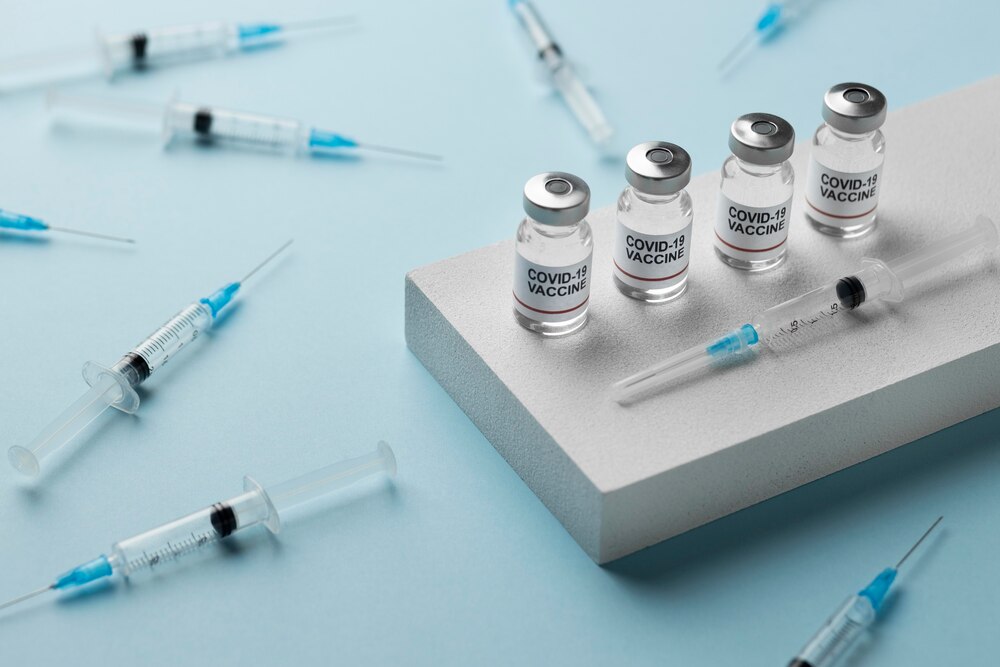
Post-vaccination care is straightforward: remain for a short observation period to monitor immediate reactions, keep the injection site clean, and treat soreness with gentle movement or over-the-counter pain relievers if needed. Serious allergic reactions are rare; our team is prepared to respond to any immediate concerns. We will issue a vaccination record and schedule reminders for subsequent doses if required. Clear instructions and follow-up support ensure the series is completed for optimal protection.