

Traveller's Diarrhoea: Immediate Care & Prevention
Get fast, practical help to manage symptoms and stay hydrated while travelling. Our team provides clear advice, rehydration guidance, and medication options suitable for your trip.
Clear steps to manage symptoms quickly
Practical Steps and Key Points
Traveller's diarrhoea commonly causes loose stools, cramps and nausea due to bacterial, viral, or parasitic exposure while abroad. Initial self-care focuses on replacing lost fluids and electrolytes, resting, and avoiding foods that irritate the gut. Over-the-counter medicines can reduce symptoms for mild cases; prescription antibiotics may be recommended for severe bacterial infections depending on destination and symptom severity. We assess recent travel history, symptom onset, severity, and medical background to tailor safe, effective treatment. Advice also covers prevention measures like safe food choices, hand hygiene, and carrying a travel first-aid kit with rehydration salts.
Hydration first
Symptom relief options
Prevention advice
When to seek care
Hydration and diet are first-line treatments
Hydration, Diet and When to Seek Help
When you experience traveller's diarrhoea, the cornerstone of management is prompt rehydration. Oral rehydration solutions replace water and essential salts lost through diarrhoea and are preferred to plain water alone. Simple dietary changes — small frequent meals, bland foods, and avoiding dairy or fatty items — can reduce irritation while the gut recovers. Monitor for signs of dehydration such as reduced urine output, dizziness, or confusion. If symptoms are severe, prolonged, or accompanied by high fever, bloody stool, or persistent vomiting, seek professional review for possible prescription treatment and tests.

Assessment
Travel history and symptom review
Treatment
OTC relief and prescription options
Prevention
Advice on safe food and water
Tailored advice for your trip
Personalised Treatment and Travel Guidance
We offer tailored recommendations based on your destination, itinerary, and medical history. For mild cases, over-the-counter anti-diarrhoeal medicines and oral rehydration salts are often sufficient. For severe or prolonged symptoms, a short course of antibiotics may be advised after assessment. Our guidance also includes when to seek urgent medical care — for high fever, blood in stool, signs of dehydration, or symptoms lasting more than 48–72 hours. We emphasize prevention: careful food choices, hand hygiene, and carrying essential rehydration supplies can lower risk.

Key Points to Remember
Key practical points help travellers reduce disruption and health risk. Start rehydration early with electrolyte solutions rather than plain water alone. Make simple dietary adjustments by choosing bland, cooked foods and avoiding street food or unbottled drinks in higher-risk areas. Symptom-relief medicines can shorten the course for many; however, antibiotics are not always appropriate and depend on severity and likely cause. Monitor for warning signs of dehydration or serious infection and consult a healthcare professional promptly if symptoms worsen or fail to improve within a couple of days.
Use oral rehydration solutions
Avoid high‑risk foods and drinks
Consider anti-diarrhoeal medication
Seek care for severe signs
Frequently Asked Questions
Answers to common questions about causes, treatment, and prevention.
What should I drink first?
Start with oral rehydration solutions to replace fluids and electrolytes. Sips frequently are better tolerated than large amounts.
Can I use anti-diarrhoeal medicine?
For mild cases, loperamide can reduce stool frequency. Avoid if you have high fever or bloody stools; seek professional advice.
When are antibiotics needed?
Antibiotics are reserved for moderate to severe bacterial infections or high-risk travellers; they require assessment and appropriate prescription.
How long until symptoms improve?
Many cases improve within 48–72 hours with rehydration and rest; persistent or worsening symptoms need review.
How can I prevent traveller's diarrhoea?
Practice careful food hygiene: eat cooked food, avoid raw items and unbottled water, and wash hands frequently.
Fast, practical travel health support
Concise Care for Travellers
Our service focuses on rapid assessment, safe symptom relief, and practical prevention tips to keep your trip on track. We explain options clearly, provide appropriate medicines when needed, and advise when urgent medical care is required. Consultations are discreet and designed for travellers with busy schedules.
Prep and prevention for smooth travel
Pack Smart, Travel Safe
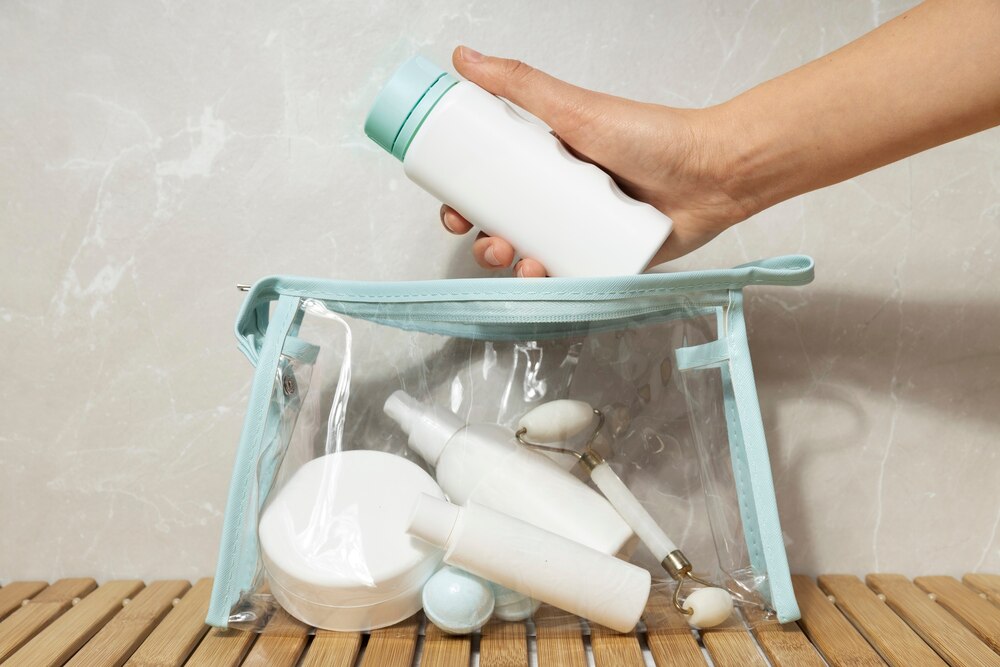
Preparing for a trip includes packing basic items that prevent or reduce the impact of traveller's diarrhoea: oral rehydration salts, anti-diarrhoeal medication, simple analgesics, and a small first-aid kit. Familiarise yourself with safe eating practices for your destination and consider travel insurance that covers medical care abroad. If you develop symptoms, prioritise rehydration and avoid medications that might mask serious infection without treating it. If you are at higher risk due to age, chronic illness, or pregnancy, seek pre-travel advice to tailor preventative measures and carry the right supplies.
Wash hands often
Choose cooked foods
Drink bottled or treated water
Rest and monitor symptoms